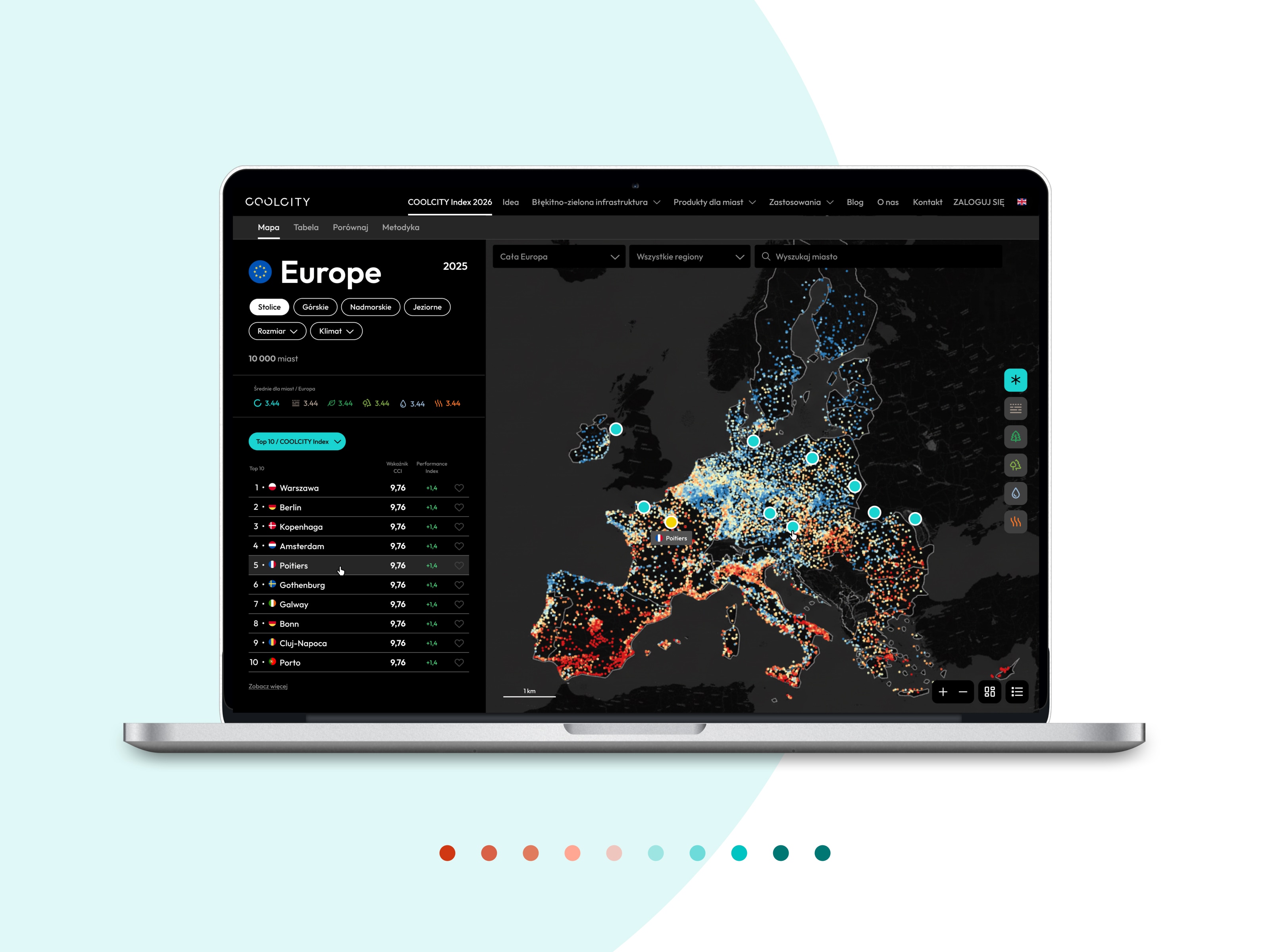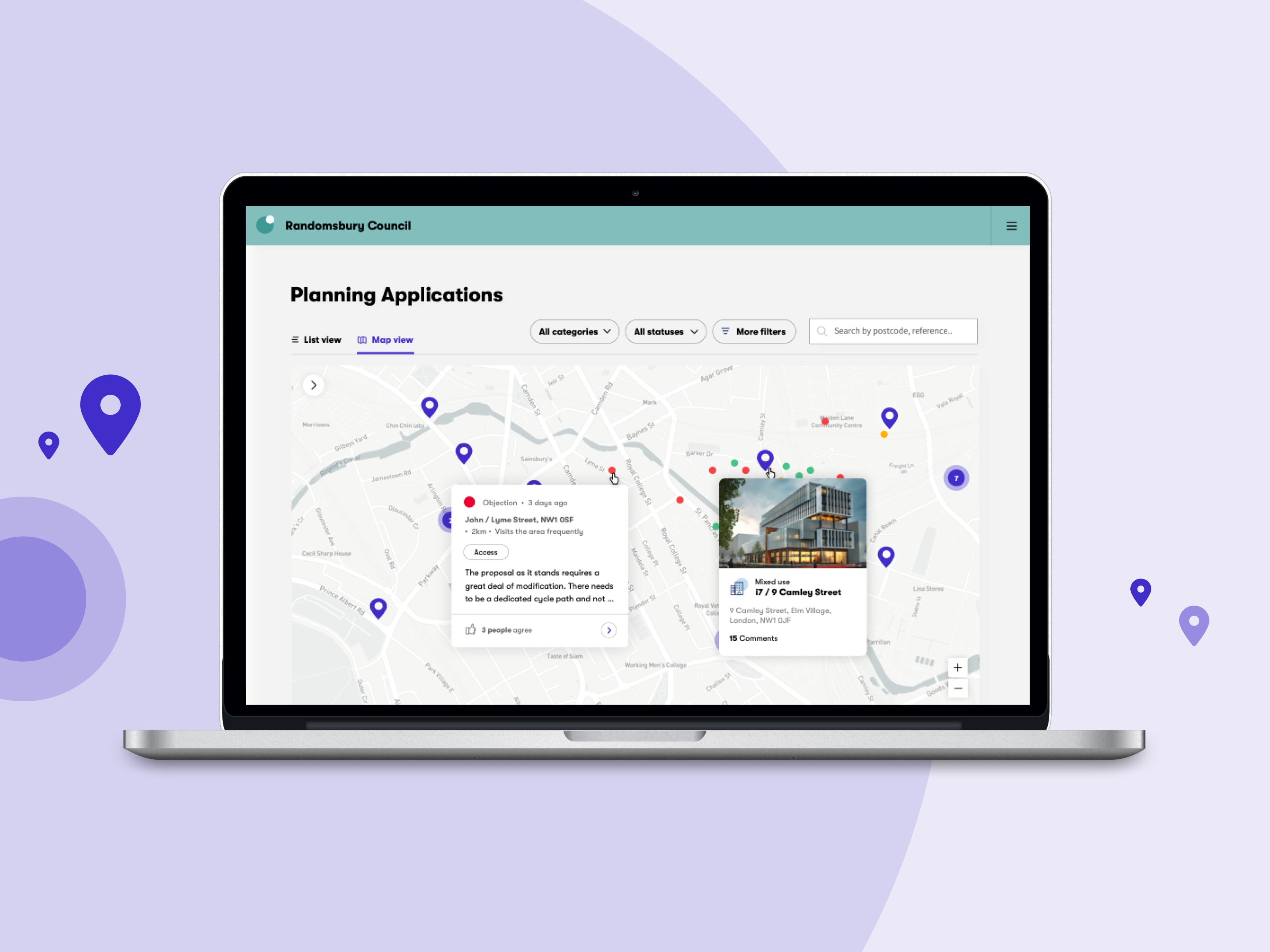
Innovate UKDigital planning notices
Digital planning notices making local developments easier to discover and understand
Gov Tech

emagine
Redesigning the self-service platform used by thousands of independent consultants and agencies, to manage job applications, CV building, timesheets, contracts and much more - across emagine’s European operations.
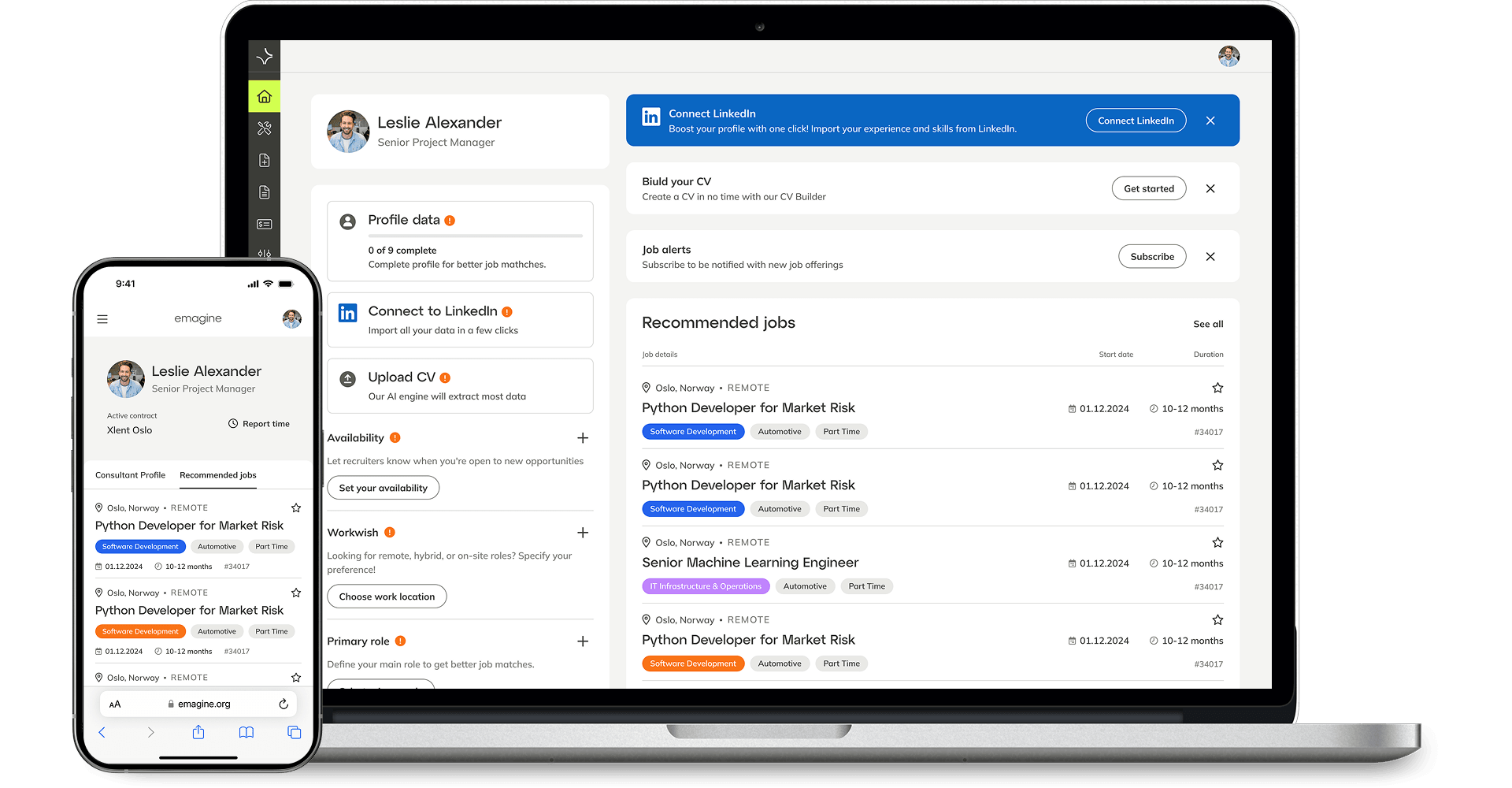
emagine is a European IT consultancy connecting specialist talent with enterprise organisations. Its consultant portal had grown over time into a feature-heavy system that was difficult to navigate and increasingly costly to support. The brief was to rebuild the recruitment platform connecting consultants, agencies and opportunities across multiple business entities.
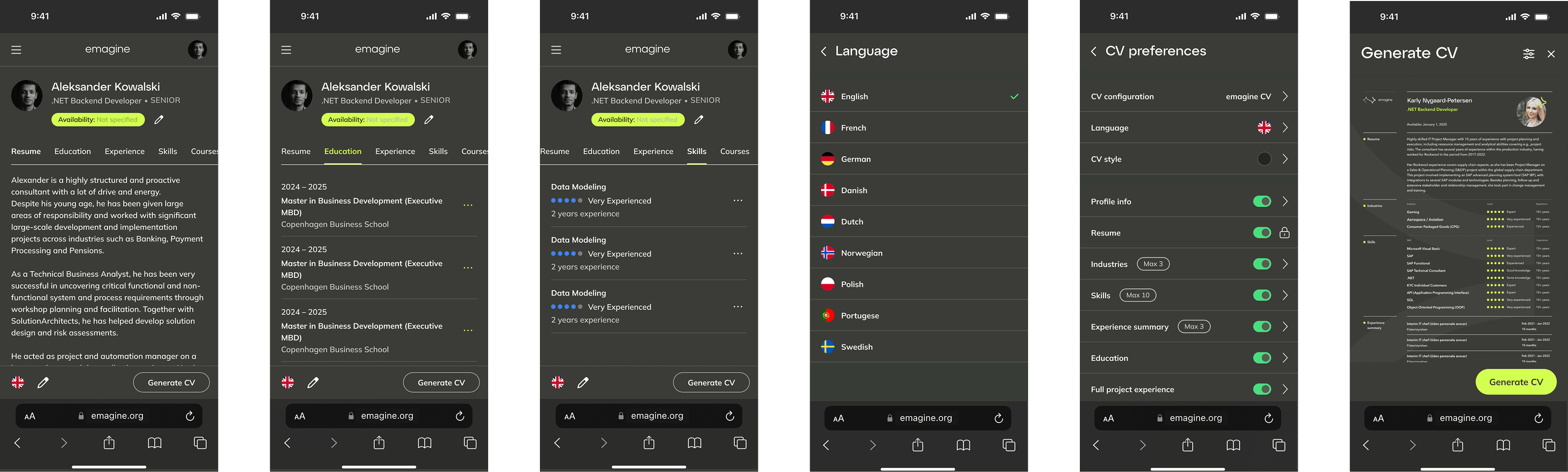
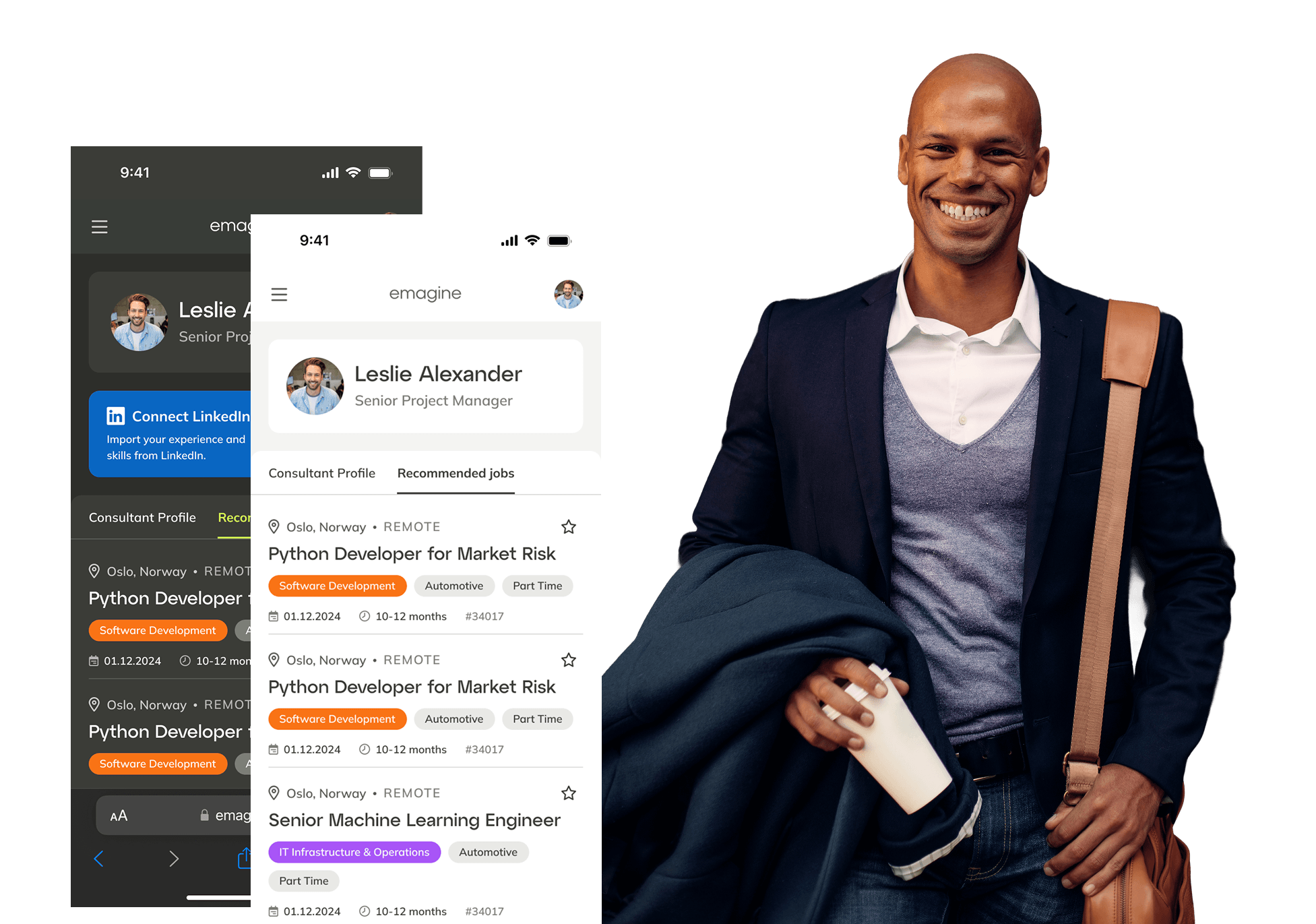
The product brought together a large consultant database, onboarding, job applications, LinkedIn import, AI-assisted CV parsing, AI assisted data enrichment, profile management and CV generation within one shared system.
The ambition was to create a more coherent product foundation: flexible enough to support different operational needs, while making consultant data easier to structure, reuse and manage.
User onboarding flows
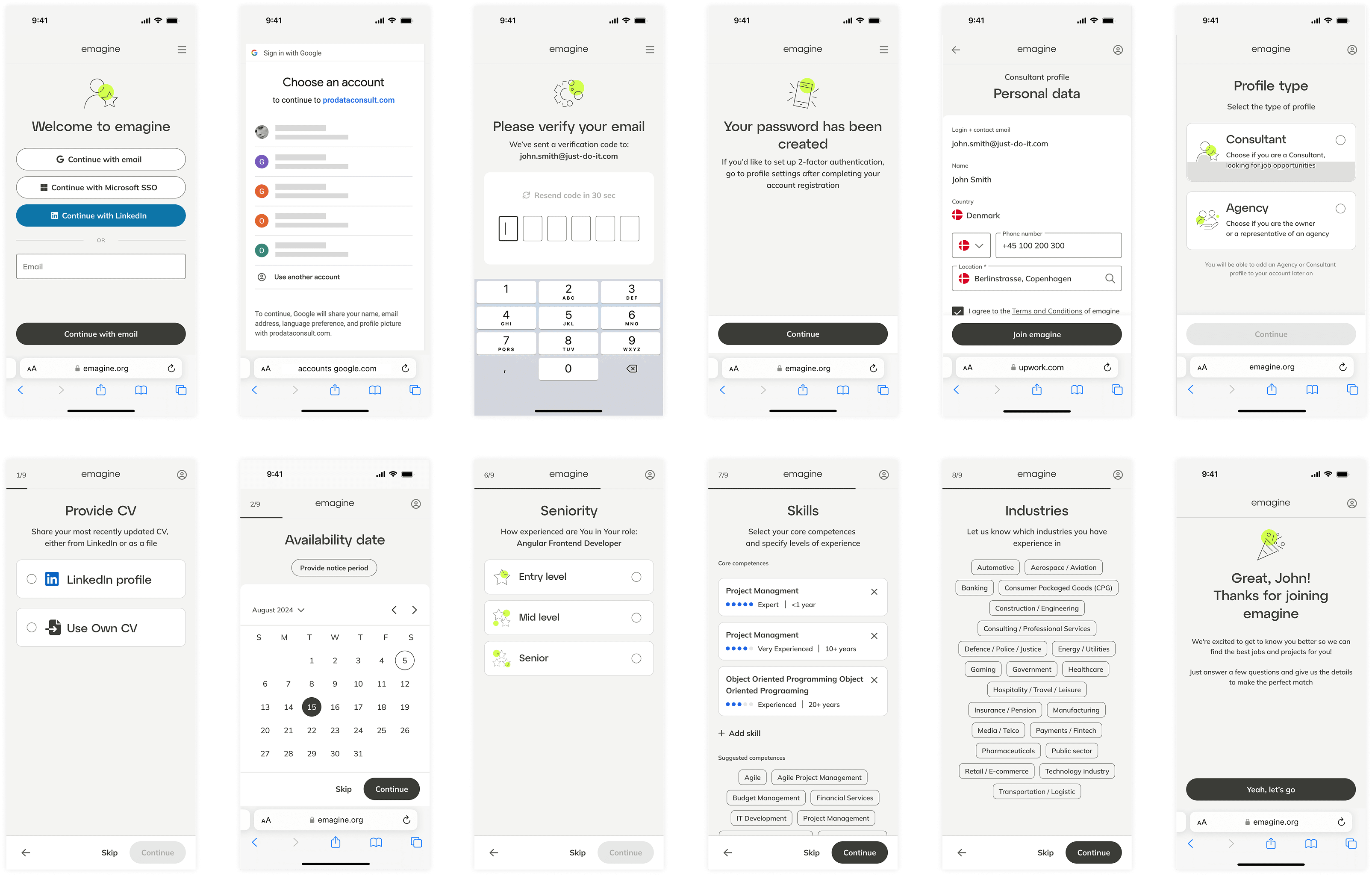
The central challenge was turning a fragmented, data-heavy consultant database into a clear and usable product experience. The system needed to align with LinkedIn data, accommodate different internal processes across business entities and support multiple languages - without adding complexity for consultants or agency users.
The solution was a profile-first model: a shared, structured source of consultant data that could be reused across onboarding, applications and CV generation, while workflow-specific requirements remained flexible at the process level.
Design challenges:
The platform had to support multiple tenants and business entities, each with slightly different workflows, data needs and operational habits. Rather than designing for assumptions, we stayed in continuous contact with users across entities. We ran surveys, held dedicated workshops with power users, and used ongoing chat-based feedback to understand where local differences genuinely mattered and where they were simply legacy variations.
We used continuous user feedback not only to improve individual flows, but to decide which differences belonged in the core product and which should remain tenant-specific.
We kept a shared core architecture — centred around the consultant profile — while allowing workflow-level differences where individual markets or entities required them. The result was a scalable product structure that could serve different business contexts, without turning each tenant into a separate product.
Mobile CV builder
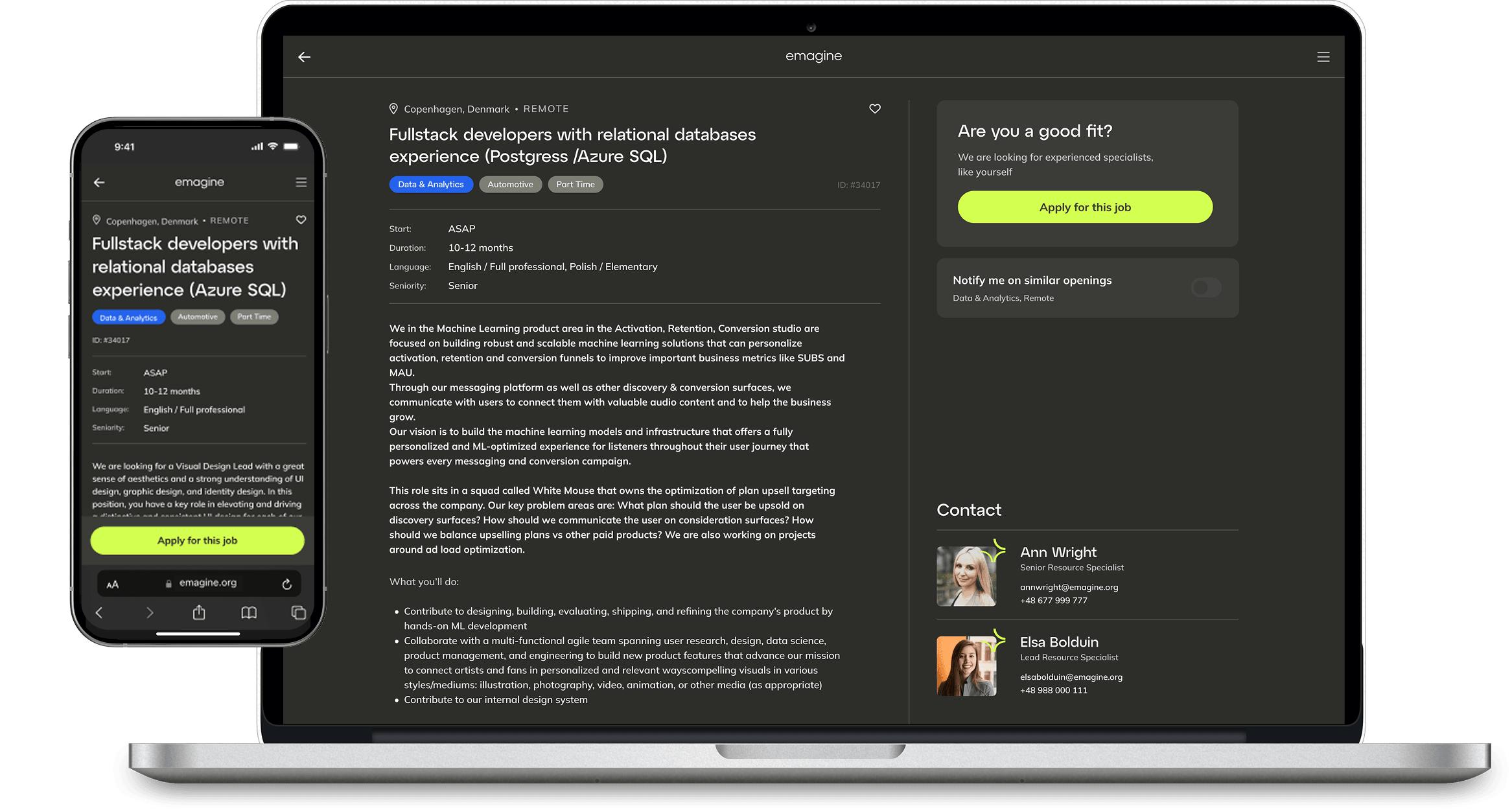
Public job application
I led a four-person design team while remaining hands-on across UX architecture, product flows, interface design and prototyping for both consultant- and agency-facing experiences.
My role combined product design leadership with solving one of the platform’s core structural problems: translating complex recruitment workflows and fragmented consultant data into a clearer, scalable product model.
I helped shape a profile-first architecture in which LinkedIn import, CV parsing, onboarding, applications and CV generation worked from one reusable consultant data foundation.
Key areas:
A profile-first architecture connected onboarding, LinkedIn import, CV parsing, applications and multilingual CV generation around one reusable consultant data model.
It created a stronger foundation for agencies while reducing repeated data entry for consultants. A shared data model made it easier to reuse professional information across workflows, generate CVs in multiple languages and support different operational needs across the business.
Main product value:
I’m a Senior Product Designer with over ten years' experience crafting digital products in regulated, complex domains, including leading product design teams and complex initiatives from product architecture through delivery.
I specialise in data-heavy applications, design systems and mobile experiences — areas where the challenge is not just how something looks, but how it holds together under real conditions.
Outside product design, I keep coming back to photography, architecture,
book design and typography - disciplines that continue to shape
how I think about structure, composition and detail.
I work end-to-end - from framing product problems and setting design direction to structuring complex flows, prototyping, interface design and design systems.
Depending on the project, I work both as a hands-on product designer and as a design lead, aligning designers around a shared direction while staying close to users, product, engineering and implementation. I use research, rapid prototyping and AI-assisted workflows
to explore, test and refine solutions.
I’m available for freelance projects,
full-time roles, and collaborations